Planners’ Picks — September 8, 2026

September 8, and we’re knee-deep in semester excitement already. Today we’re going to check in on the situation we’re in before deciding a plan of attack, rethinking work, and upping our game with cross-functional teams. Enjoy!
:: Image of the Week
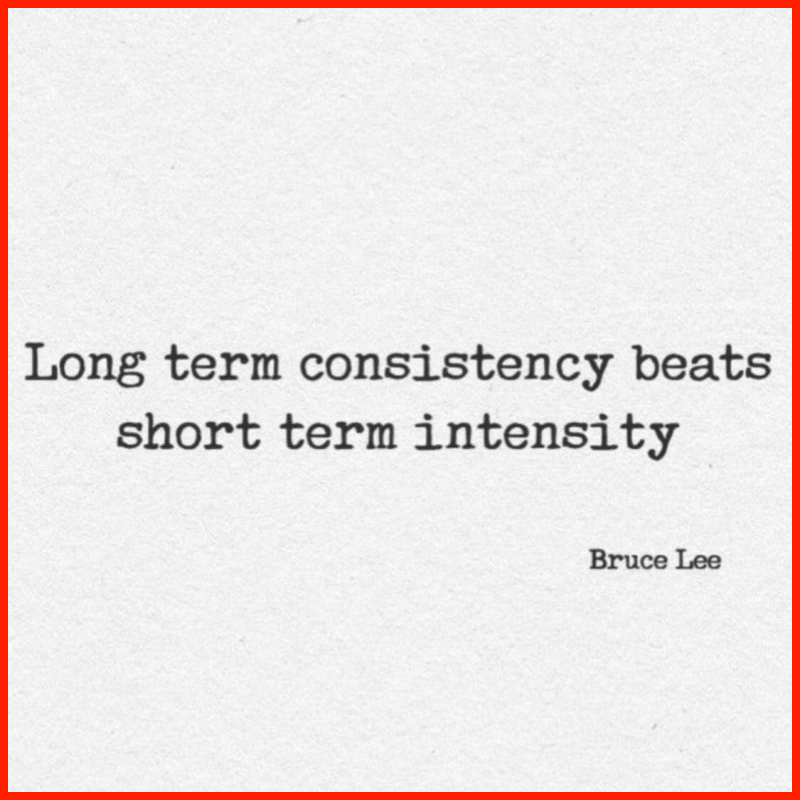
:: Developing Better Habits
Get Situated for Success (with Angela Duckworth)
On this episode of the Radical Candor Podcast, Kim talks with Angela Duckworth about her new book, Situated: Find the People and Places That Bring Out Your Best. They unpack a deceptively simple three-box model that explains a surprising amount of human behavior, why willpower runs out faster than we think, and what separates a situation that helps you grow from one that quietly wears you down.
How might your situation (or people you are with) change your outlook or outcome?
https://www.radicalcandor.com/podcast/angela-duckworth-8-23
We can use decision-making to choose the habits we want to form, use willpower to get the habit started, then – and this is the best part – we can allow the extraordinary power of habit to take over. At that point, we’re free from the need to decide and the need to use willpower. – Gretchen Rubin
:: Diversity and Inclusion
6 Ways to Support Neurodivergent Team Members
Inclusivity is the future of work. Cultivating a truly inclusive workplace means diversity and inclusion must extend beyond traditional parameters, encompassing a spectrum of neurological distinctions and differences—known as neurodiversity.
Research has found that up to 20% of the global population is neurodivergent. Neurodiversity refers to the simple truth that no two minds are alike. Recognizing and embracing the diverse ways individuals experience the world isn’t just a matter of social responsibility—it’s a catalyst for team innovation and productivity.
In the quest for an inclusive and dynamic work environment, acknowledging neurodiversity is crucial. It’s not just about ticking boxes. It’s about recognizing and leveraging the unique strengths that each individual brings to the table through awareness and support.
https://www.springhealth.com/blog/6-ways-to-support-neurodiverse-team-members?_hsmi=425395114
:: CSN’s Book of the Week
Rethinking Work: Seismic Changes in the Where, When and Why by Rishad Tobaccowala
A sea change is occurring—a change so monumental that it is making us re-invent the traditional ideas of where work is done, when work is done, why work is done, and even what work itself is.
We have a choice. We can either be reactive and struggle to adjust to transformational events on the fly, or we can be proactive and control the narrative—reinventing work to align with the evolving environment. Futurist Rishad Tobaccowala has had a highly successful career because he has anticipated and capitalized on emerging trends. In Rethinking Work, Rishad outlines the reasons why being proactive in this era of unprecedented change is the only way organizations will survive and thrive. Schools, banks, law firms, startups, medical offices—every sector will be affected by the current or soon-to-be-emerging trends and events that Rishad describes in this invaluable guide.
Rethinking Work has proven to be both prescient and highly actionable. Every single thing predicted has happened or is about to happen.
A few months ago, Fidelity Investments had many of their leaders read the book and then had me participate in a work session with them. One of the questions I was asked was, given the year since the book had been published, what I may have gotten wrong.
The speed of change. The future of work is even faster than anticipated, and the last section of the book, which I believed would happen by 2029, will happen in 2027.
As a result, this book is probably more relevant now than when it was published and so I am sharing most of the Introduction (which was written 2 years ago) for those who want a cliff-notes version.
Catch Rishad’s recent interview at SXSW: https://www.youtube.com/watch?v=iu_wg6gfhVE
“You don’t have to make it back the way that you lost it.” – Warren Buffett
:: Self-Leadership Development
Dolly Parton Understood What Too Many Leaders Get Wrong About Legacy
Dolly Parton died today at age 80, ending a remarkable career that stretched across music, movies, business, and philanthropy. According to Reuters, Parton died peacefully in Nashville. She sold more than 100 million records, won 11 Grammys, and became one of the rare public figures whose appeal crossed generations and political divides.
But for leaders, one part of Parton’s life deserves particular attention. More than 20 years ago, she essentially gave us her definition of legacy.
In a 2005 interview, the then-59-year-old Parton was asked what Dollywood might look like decades into the future. Her answer wasn’t really about a theme park.
“You try to set up these things in your lifetime that will still go and be just as good or better after you are gone,” she said. Then she added: “So if you do your job right … it will carry on.”
Read some of her strategies for legacy here: https://www.inc.com/marcel-schwantes/dolly-parton-understood-what-too-many-leaders-get-wrong-about-legacy/91396224
“If you see someone without a smile, give ‘em yours.” -Dolly Parton
Leaders Who Grow Do This 1 Uncomfortable Thing Repeatedly
I’ve coached hundreds of leaders and managers. So, when a new client signs up for coaching with me, I often hear things like these:
- “I want to communicate better.”
- “I want to handle conflict more skillfully.”
- “I want to know how to get the best out of people.”
I’ve heard these a million times. It’s usually a desire to address blind spots and, hopefully, develop the right soft skills to address performance issues.
I nod and smile. But deep down, I know many of these leaders and managers are not going to cut it, regardless of how much coaching they get. That is, unless they’re willing to do the hard work.
Here’s the problem I see. Leaders often pursue soft skills development in ways that keep them comfortable. They read books, attend conferences, listen to podcasts. Some may complete assessments, while others will take in a few webinars.
These experiences can expand their knowledge and teach them some new tricks. They can make leaders more self-aware. They can even inspire them to change. But knowing and learning more about leadership, soaking up more information, and taking in more leadership “edutainment” do not necessarily make us better leaders.
Closing The Leadership Expectation Gap
Why do so many talented managers struggle when they step into leadership roles?
It’s a challenge that affects businesses of every size. High performers are often promoted because they’re brilliant at what they do, yet they’re rarely given the skills, tools, or support needed to lead people effectively.
In this episode of ScaleUp Radio, Kevin Brent speaks with Megan Robinson, Founder of eLeader Experience, about what she calls the “Leadership Expectation Gap” and why it is costing organizations far more than they realize.
Megan shares how businesses can move leaders from being stuck in the weeds to becoming influential people developers who create stronger teams, better performance and higher retention.
In this episode:
- Why leadership and management are not the same thing
- The hidden cost of promoting technical experts into leadership roles without support
- Why poor leadership can account for significant revenue loss
- How a coaching-first approach develops leaders rather than simply training them
- The importance of moving from giving answers to asking better questions
- Why influence is the true measure of leadership
- The practical habit that can instantly improve your leadership effectiveness
- Lessons from scaling a coaching business beyond founder capacity
- Why pricing for future growth matters from day one
:: Culture
Is Your Organizational Culture Too Nice?
Organizations with a culture of “niceness” can undermine performance when leaders prioritize harmony and comfort over candor, accountability, and results. Shifting toward a more rigorous culture requires senior leaders to model and reward candid feedback, create measurable successes that demonstrate that tougher choices improve performance, and redesign operating processes like review meetings and governance routines so that they encourage substantive debate rather than polite approval.
“You may not control all the events that happen to you, but you can decide not to be reduced by them.” – Maya Angelou
What an Octopus Can Teach You About Transformation
Phil Le-Brun and Dr. Jana Werner work inside Amazon, advising Fortune 500 leaders on transformation. But before Amazon, they spent decades in the trenches — Phil as International CIO of McDonald’s, Jana leading change in banking and logistics. Together they wrote The Octopus Organization (HBR Press) to explain why most companies are still running on a hundred-year-old factory model, and what the alternative looks like.
CSN has been covering their work this summer in the CSN Book Club, and we’re finding additional resources for all of our members to enjoy. Here is a recording of an interview with them on several topics from The Octopus Organization.
:: Work Culture & Team Development
How to Manage a Cross-Functional Team
You’ve just been asked to lead a team…but it’s not really your team. It’s a mix of folks from different departments. Marketing. Sales. Legal. Each bringing their own priorities, habits, and maybe even a hidden agenda or two…Welcome to the world of cross-functional teams.
They’re supposed to help organizations move faster and collaborate better. But the reality? Most are dysfunctional. In this video, I’ll break down why that happens, and more importantly, what you can do about it. I’ll walk you through how to align goals, create clarity around roles, and build the kind of communication norms that keep things moving and keep people from defaulting back to their silos.
https://www.youtube.com/watch?v=FyUqoKZhkhE
“In order to improve our ways of working, we will need to open our perspectives, inviting other points of view. Cognitive variability is one of the benefits of diversity.” – L. David Marquet
Pressure Doesn’t Create the Cracks. It Reveals Them.
A reorganization happens. A key leader leaves. Budgets tighten. Priorities shift halfway through the quarter, or the strategy everyone thought they understood suddenly changes.
Then a team that seemed to be functioning pretty well starts missing deadlines, stepping on each other’s toes, questioning decisions, getting territorial, or waiting for someone else to make the call.
It’s easy to look at that and think, This team just can’t handle pressure.
I’m not convinced that’s usually what’s happening.
See Heather Younger’s thoughts on creating an unshakable team even in times of challenge.
How to Increase Team Performance Through Clarity
David Burkus is the bestselling author of four books about business and leadership which have won multiple awards and been translated into dozens of languages. His insights on leadership and teamwork have been featured in the Wall Street Journal, Harvard Business Review, USAToday, Fast Company, the Financial Times, and many other media outlets.
Since 2017, David has been ranked multiple times as one of the world’s top business thought leaders. As a sought-after international speaker, his TED Talk has been viewed over two million times. He has worked with leaders from organizations across all industries, including PepsiCo, Fidelity, Clorox, Adobe, and NASA. He’s the author of Best Team Ever!: The Surprising Science of High-Performing Teams (https://bookshop.org/a/90226/97815445…) *.
There are many things that help teams work well together, but perhaps you haven’t thought of this one: clarity. Knowing what is being done and who’s doing it often helps a team achieve more. In this conversation, David and I discuss the practical steps to surface more clarity and drive better performance.
Key Points
• Casting a leadership vision is important, but insufficient. It’s not helpful to expect a team to figure out roles and responsibilities on their own.
• Teams work best when they understand how each individual works best. Clarity increased performance.
• Hold huddles using these three questions: (1) What did I just complete? (2) What am I focused on next? and (3) What is blocking my progress?
• Consider communicating in bursts to allow for people to retreat into less interrupted time for deeper work.
• Establish priorities and consistently make those priorities clear so they are obvious and apparent to the team.
https://www.youtube.com/watch?v=IC4CTmBErqc
:: Upcoming Events
CSN Presents Leadership Improv
CSN will once again host a Leadership Improv presentation for a fun exercise of practicing our “in the moment” responses to curveballs and unexpected comments during this highly interactive training.
Using techniques first exercised in improv theater training, we will correlate the similarities to leadership readiness during this fun training.
Date: September 16, 2026
Time: 2:00-3:15 pm
Location: Morgridge Hall, WARF Centennial Terrace – 7th floor (outdoors) – Weather permitting
(Alternate location will be shared closer to the date if the forecast does not favor an outdoor gathering)
Register Closes Tomorrow! https://go.wisc.edu/t4d016